The Invisible Hours: What Actually Makes Emma Ollie's Content Look So Easy
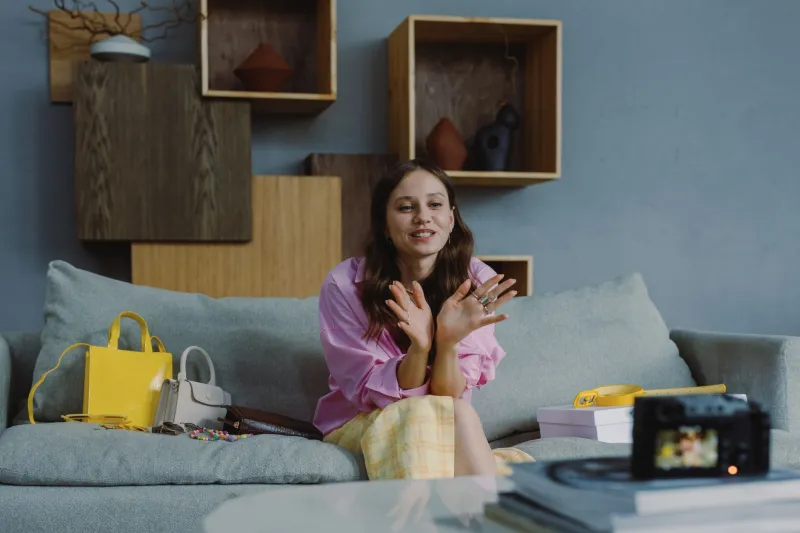
One of the most persistent myths about creators like Emma Ollie is that their content just... happens. That the seemingly effortless delivery, the casual framing, the way everything feels spontaneous and unscripted — that all of it is just personality spilling naturally onto camera. And sure, personality is part of it. But personality alone doesn't produce consistent, high-performing content across multiple platforms over years. That takes work. A lot of it. The kind that doesn't show up in the final video.
This is the part of the creator economy that rarely gets talked about, because it's not glamorous and it doesn't make for great content itself. Nobody wants to watch a three-hour video of someone cross-referencing posting schedules or color-grading footage for the fourth time. But that's the reality sitting behind every piece of Emma Ollie content that makes you think "wow, she makes this look so easy."
The Planning Layer Nobody Sees
Here's the thing about content that feels spontaneous: it's usually the most planned content in the room. The less structured something looks, the more structure typically had to go into building it. Emma Ollie's posts are a textbook example of this principle.
The ideation phase alone is more layered than most people would guess. It's not just "what do I want to talk about this week." It's a constant process of tracking what's resonating, what's been overdone, what conversations are happening in her community that she hasn't addressed yet, and where there's space to do something that feels fresh without chasing trends she doesn't actually care about. That last part is crucial — and it's harder than it sounds, because the algorithm is constantly pulling creators toward whatever's performing well right now, which is often not the thing that serves their long-term brand.
Emma Ollie's content planning appears to operate on multiple timelines simultaneously. There's the evergreen content that can go up anytime, the timely stuff that has a window, and the slower-burn pieces that require more production and need to be scheduled further out. Keeping all three lanes moving without letting any of them stall requires a level of organizational thinking that doesn't really have a glamorous name.
Production: The Aesthetic That Isn't Trying
The visual language of Emma Ollie's content is deceptively specific. It has a look — warm but not oversaturated, framed loosely but not carelessly, lit in a way that feels natural even when it clearly isn't fully natural. Getting to that look and maintaining it consistently across different shooting environments is a technical achievement that casual viewers just absorb as "her vibe."
Camera choices matter here. The slight softness that characterizes a lot of her footage isn't accidental — it's a deliberate departure from the hyper-sharp, over-lit aesthetic that dominated influencer content for years. That choice communicates something before she's said a single word. It says: this is going to feel like a real conversation, not a presentation.
Lighting is probably the most underappreciated element of the whole operation. Natural light is unpredictable, so any creator doing consistent content has to know how to supplement it, manipulate it, or work around it depending on the day. The goal in Emma Ollie's case seems to be preserving the feeling of natural light even when the setup is more controlled than it appears. That's a skill that takes time to develop and a lot of failed attempts to figure out.
Editing: Where the Effortless Feeling Gets Built
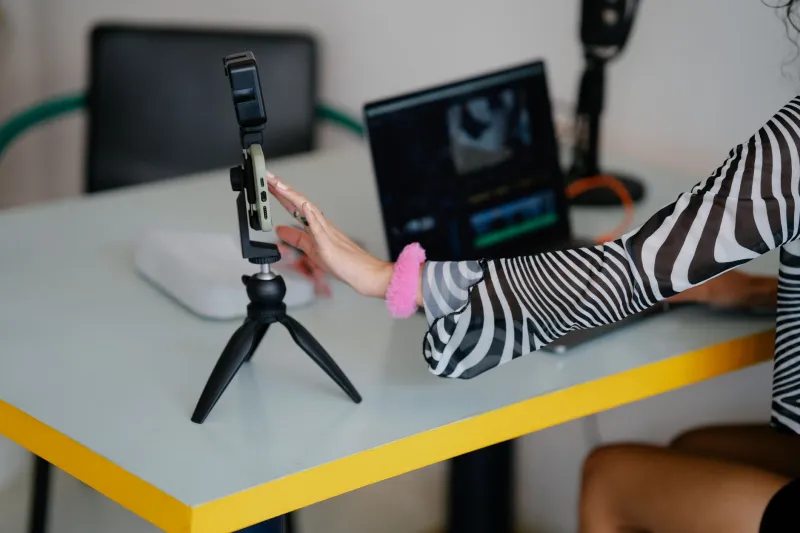
This might be the most technically demanding part of the whole process, and it's also the most invisible to the audience. Good editing in the style Emma Ollie's content employs isn't about flashy cuts or complex effects — it's about removing everything that slows the energy down while keeping enough of the rough edges that it doesn't feel sanitized.
That balance is genuinely difficult to calibrate. Cut too tight and you lose the breathing room that makes the content feel like a real person talking. Cut too loose and you've got pacing issues that make viewers click away. The sweet spot is different for every piece of content, which means there's no formula you can just apply — it's a judgment call every single time.
Audio is another invisible element that does a lot of heavy lifting. Clean audio that still sounds like it was captured in a real space (not a recording booth) requires attention to room acoustics, mic placement, and post-processing that most viewers will never consciously register. They'll just notice if something sounds off without knowing why.
Color grading is the final layer — the thing that ties the visual look together and makes content from different shooting days feel cohesive. Emma Ollie's palette is consistent enough to be recognizable but not so rigid that it feels like a filter was just slapped on everything.
The Timing Game
When content goes up is as strategic as what the content actually contains. Platform algorithms reward posting at times when your specific audience is most active, but "most active" isn't a static variable — it shifts with seasons, current events, and platform-wide behavioral trends. Staying on top of that requires ongoing data literacy that most people don't associate with the kind of creator Emma Ollie appears to be on camera.
There's also the question of spacing — how often to post, how to sequence different types of content, when to go quiet and when to flood the zone. These decisions compound over time. The creators who get them consistently right build audiences that feel reliably engaged. The ones who don't end up with erratic performance that's hard to diagnose.
The Real Skill Is Making It Look Like There's No Skill
At the end of all of this — the planning, the production, the editing, the timing — the goal is for none of it to show. The ideal outcome is a viewer who watches something Emma Ollie made and thinks "she just turned the camera on and talked." That's the paradox at the center of this kind of content: the better the craft, the more invisible it becomes.
Which means the best compliment anyone can pay Emma Ollie's process is probably the one that sounds like an insult: "she makes it look easy." That's not luck. That's hundreds of invisible hours doing exactly what they were supposed to do.