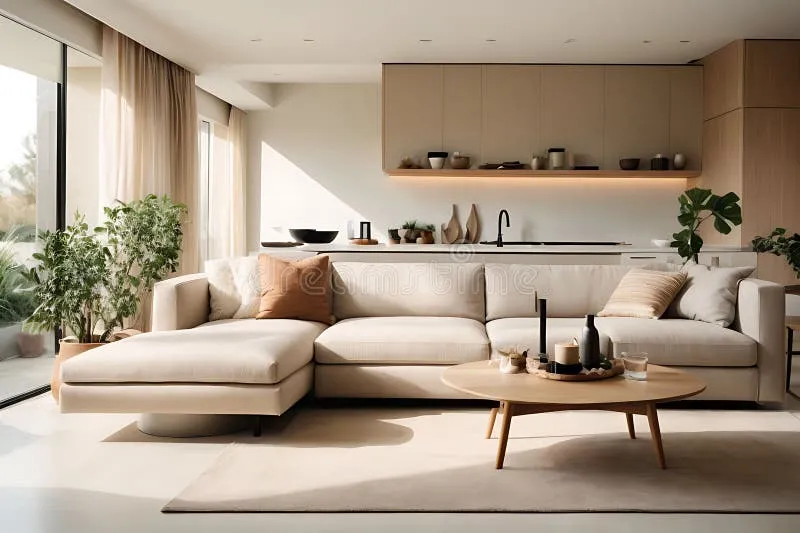
Photo: minimalist neutral outfit woman simple clean aesthetic, via thumbs.dreamstime.com
The Vibe That Refuses to Be a Vibe
Imagine you're scrolling and you stop on a photo. The room in the background is clean but not styled. The outfit is well-fitted but not particularly statement-making. There's no visible brand logo, no trending color palette, nothing that screams "core" of any kind. And yet something about it is undeniably compelling.
You've just encountered what some people are calling the quiet confidence economy — and it's reshaping the way a whole generation thinks about taste, status, and what it actually means to look like you have your life together.
When "Instagrammable" Stopped Being the Point
For a solid decade, the gold standard for lifestyle choices was whether they photographed well. Restaurants were picked for their walls. Vacations were selected for their backdrops. Even coffee orders got optimized for content potential. If it didn't make a good post, did it even happen?
But somewhere around the mid-2020s, a quiet rebellion started. Not loud enough to be a trend in the traditional sense — which is sort of the whole point — but visible enough that it's now undeniable. People, particularly Gen Z and older millennials, started making choices that were conspicuously unoptimized for the algorithm.
The beige linen wardrobe. The apartment that looks lived-in rather than staged. The Saturday that doesn't get documented. The restaurant chosen for the food, not the lighting. None of it goes viral. All of it is somehow more appealing than ever.
What "Boring" Is Actually Signaling
Here's the thing about the quiet aesthetic: it's not actually boring. It just looks that way on purpose. And that distinction matters a lot.
When someone builds a wardrobe of well-made basics in neutral tones, they're not being lazy — they're opting out of the fast fashion cycle, the trend treadmill, the constant pressure to refresh and update and stay current. The intentionality is the whole statement. The restraint is the flex.
Same goes for home décor. The sparse, functional living space isn't a sign that someone hasn't figured out their aesthetic yet. In many cases, it's a sign that they've thought about it deeply enough to arrive at "less." And in a culture that has spent years drowning in maximalist, highly curated, deeply thematic interior design content, a room that just looks like a room people live in feels almost radical.
This is what economists and cultural critics sometimes call a Veblen effect in reverse — instead of spending conspicuously to signal wealth, the new status move is withholding conspicuously. Not buying the logo. Not chasing the trend. Not optimizing the space for content. The absence of effort is the effort.
The Gen Z Factor
It would be easy to frame this as a millennial burnout story — and there's definitely something to that. But Gen Z is arguably driving this shift even harder, which is interesting given that they're the generation that essentially grew up inside the algorithm.
Maybe that's exactly why. If you've never known a world without curated feeds and aesthetic pressure, you might hit your limit earlier. Gen Z watched the influencer economy rise and, in many cases, decided they weren't interested in auditioning for it. The "clean girl" aesthetic, the "that girl" morning routine, the soft-life content — these all have quiet confidence DNA in them. They're about seeming effortless rather than performing effort.
But even those aesthetics have gotten co-opted and algorithmified. So the truest expression of this movement is the stuff that doesn't have a name yet — the choices made specifically because they don't fit a trend cycle.
Low-Key Dating, Low-Drama Living
This isn't just about clothes and apartments, either. The quiet confidence shift is showing up in how people approach relationships and social life too. There's a growing preference for low-key dating — fewer grand gestures, more genuine conversation. Less pressure to create a relationship that looks good on Instagram and more interest in one that feels good in real life.
The same goes for socializing. Smaller gatherings over big events. Staying in when you actually want to stay in, without the guilt of missing out on content-worthy moments. Choosing the dive bar over the rooftop because the dive bar has better energy and nobody's trying to get the perfect shot.
It's all part of the same underlying shift: a collective exhaustion with performing life for an invisible audience, and a quiet recommitment to just... living it.
The Practical Side of Opting Out
If you're feeling the pull toward this kind of intentional simplicity but not sure where to start, the good news is that it's genuinely not complicated. That's the whole point.
Start with your wardrobe. Not a dramatic overhaul — just a slow edit toward pieces that actually fit your life. Things you reach for because they're comfortable and flattering, not because they're trending. Quality over quantity, always. When something wears out, replace it thoughtfully rather than reactively.
With your space, resist the urge to style it for anyone but yourself. If you like a little clutter because it feels cozy, that's valid. If you prefer minimal because it helps you think clearly, that's valid too. The goal isn't a specific look — it's a space that serves you rather than performs for others.
And socially, practice making choices based on what you actually want rather than what makes a good story. It sounds simple, but it's surprisingly hard when you've been trained to think in terms of content potential.
The Aesthetic That Isn't One
The quiet confidence economy is a little bit of a paradox, because the moment you try to package it and sell it, you've already missed the point. Any brand that launches a "quiet luxury" campaign is immediately undermining the whole premise. Any influencer who builds a "boring aesthetic" persona is kind of doing the thing they're supposedly rejecting.
But for regular people — people who aren't building a personal brand around their lifestyle choices — there's real freedom in this direction. The freedom to like what you like without justifying it. To dress for yourself. To live in a way that doesn't need an audience.
And if that happens to look really, really good? Well. That's just a bonus.