She Made Realness the New Standard: Tracing the Authenticity Wave Emma Ollie Helped Start
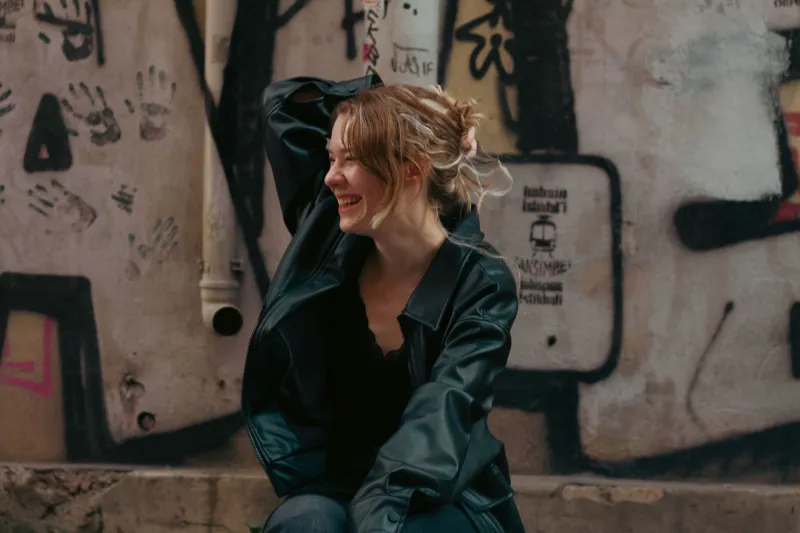
There was a before and an after. That's the cleanest way to describe what happened to creator culture when authenticity stopped being a niche preference and became an audience demand. And while no single person flipped that switch alone, Emma Ollie was one of the creators standing closest to it when it happened.
This piece isn't about crediting her with something she'd probably deflect credit for. It's about understanding a cultural shift — where it came from, what it changed, and why it matters that the entertainment and influencer industries are still catching up.
The Era Before the Shift
Cast your mind back to the peak of the hyper-curated content era. Everything was golden-hour lighting and aspirational aesthetics. Creators were brands before anyone called them that, and the product was a version of life that looked just real enough to be relatable but polished enough to sell. Audiences played along, mostly — but something was building underneath.
The cracks started showing in engagement. Comments sections filled with people calling out the gap between the content and the reality. Meme culture started roasting the performative sincerity of brand-speak and influencer captions. People were hungry for something that didn't feel like an ad for a life they'd never have.
Into that landscape walked creators like Emma Ollie, who seemed almost constitutionally incapable of performing a version of herself that wasn't actually her.
What Emma Brought That Was Different
It's worth being specific here, because "authenticity" has become such an overused word that it risks losing meaning. What Emma Ollie actually did — and continues to do — is specific.
She showed up in real clothes, having real days, with real reactions to real things. When something was hard, she said it was hard. When she didn't know something, she said she didn't know. When she was excited, the excitement wasn't performed for the camera — it was just there, leaking through. Her fashion choices, for instance, have always felt like genuine self-expression rather than calculated looks designed to generate shopping links. Even when she does work with brands (which she does, successfully), the integration feels like it's coming from a real person who actually uses stuff, not a mannequin in a sponsored post.
None of that sounds revolutionary written out. But in the context of what was dominating feeds at the time, it was genuinely disruptive.
The Audience Response That Changed Everything
Here's where the story gets interesting. Emma's approach didn't just attract fans — it attracted a specific kind of fan who was deeply, vocally done with the alternative.
The community that formed around her content became almost evangelical about realness. They didn't just appreciate her authenticity; they started demanding it from other creators they followed. They called out inauthenticity when they saw it. They rewarded creators who took risks on honesty and punished creators who seemed to be performing rather than living.
That audience behavior — amplified by social media's tendency to surface strong emotional responses — started sending signals that platforms and brands couldn't ignore. The data was showing that raw, honest content was outperforming polished, aspirational content in meaningful engagement metrics. Not always in raw reach, but in the kinds of interactions that actually translate to loyalty and community.
The Industry Scrambles to Catch Up
Watch what happened next in the influencer and entertainment spaces and you can see the scramble.
Brands that had spent years building influencer programs around aspirational aesthetics started quietly pivoting. "Authentic partnerships" became a phrase in every agency deck. Talent scouts started looking for creators who felt real rather than creators who looked perfect. Reality TV formats started experimenting with less produced, more documentary-style content. Even fashion coverage — traditionally one of the most image-controlled corners of media — started making room for unretouched photos, candid backstage content, and style profiles that acknowledged that real people have real bodies.
Was all of this directly because of Emma Ollie? No. But the demand that drove these changes was shaped by audiences who had been trained, in part by creators like her, to expect more.
Before and After: What Actually Changed
Let's get concrete. Before the authenticity wave, the creator playbook looked something like this: invest in production quality, maintain an aspirational image, keep personal struggles private or frame them as overcome obstacles, treat every post as a brand moment.
After — and "after" is still ongoing, still evolving — the playbook looks different. Production quality still matters, but rawness is no longer a liability. Personal struggles, shared honestly and without neat resolution, often perform better than success stories. The audience is a community to be in conversation with, not a passive consumer to be marketed at. Style and fashion content, in particular, has shifted dramatically toward showing how real people actually dress and why — not just what's technically on-trend.
Emma Ollie lives in the "after" column in almost every way. And watching her navigate that space — successfully, sustainably, with a fanbase that keeps growing — has given other creators permission to try.
The Permission Effect
Maybe the most lasting thing Emma Ollie has contributed to creator culture is something you can't measure in engagement stats: permission.
Permission to be unfinished. Permission to share something before you've figured out how to make it look good. Permission to let your style evolve publicly, to change your mind on camera, to admit that you don't have all the answers about your own life.
That permission has spread outward in ways that are genuinely hard to overstate. New creators entering the space now operate with a different set of assumptions about what's allowed — and a big part of that is because creators like Emma showed them what was possible when you stop performing and start just being.
The authenticity wave isn't over. If anything, audience expectations are getting more sophisticated, not less demanding. But the foundation was laid by people willing to go first. And Emma Ollie went first in ways that still matter.

